
custom glass and mirror
Understanding Strainer Flange Types A Comprehensive Guide Strainers are essential components in various industries, acting as filters that prevent unwanted particles from entering fluid systems. One critical aspect of strainers that engineers and procurement professionals need to consider is the flange type. Flanged strainers come in various designs and sizes, allowing them to be connected to pipelines seamlessly. This article aims to provide a comprehensive overview of strainer flange types, their features, and their applications. What is a Flange? A flange is a mechanical component that provides a means to connect two parts together, typically pipes or fittings. Flanges create a secure joint that can accommodate high-pressure systems, ensuring leak-free operations. There are several standard flange types defined by different specifications, including ASME, DIN, ANSI, and JIS standards. Each specification dictates dimensions, tolerances, and mechanical properties. Common Strainer Flange Types 1. Flat Face Flange The flat face flange is characterized by a flat sealing surface that lies on the same plane as the bolt holes. This type is commonly used in low-pressure applications and can easily fit with other flat-faced components. However, it is essential to ensure that the mating surfaces are perfectly aligned to prevent leaks. 2. Raised Face Flange This flange type features a raised area in the center that enhances the sealing capability and is more suitable for high-pressure applications. The raised area allows for improved contact with the gasket, promoting a tight seal. Raised face flanges are frequently used in petrochemical industries, water treatment, and HVAC systems. 3. Ring-type Joint Flange Commonly used in high-pressure and high-temperature operations, the ring-type joint flange utilizes a metal ring that is placed in the groove of the flange. When bolted together, the ring compresses and forms a seal. This type is commonly found in drilling, refineries, and other industries dealing with hazardous fluids. 4. Slip-on Flange A slip-on flange is designed to be slipped over the end of a pipe, adding ease to installation. This type is often used when there is a requirement for relatively low-pressure service and where ease of disassembly is necessary. The slip-on design allows minimal effort for installation, making maintenance straightforward. strainer flange type 5. Weld Neck Flange This type of flange has a long neck that is welded to the pipe, providing better stress distribution over the joint. Weld neck flanges are ideal for high-pressure applications and are commonly found in manufacturing, oil and gas, and chemical processing industries. Key Considerations for Choosing Flange Types When selecting the appropriate strainer flange type, several factors must be considered - Pressure and Temperature Ratings Ensure that the flange type and materials can withstand the system's operational conditions. - Fluid Characteristics Consider the type of fluid being handled. Some strainers might require specialized flanges to mitigate corrosion or contamination. - Installation and Maintenance Evaluate the ease of installation and the necessary maintenance procedures. Certain flanges are more challenging to disassemble or require specific tools. - Standard Compliance Ensure the chosen flange types adhere to applicable industry standards to maintain safety and performance. Conclusion In summary, selecting the right strainer flange type is a crucial decision that significantly impacts system performance and longevity. Understanding the different types of flanges—flat face, raised face, ring-type joint, slip-on, and weld neck—and their respective applications is fundamental for engineers and designers. By considering pressure ratings, fluid characteristics, installation ease, and compliance with industry standards, professionals can make informed choices that enhance the efficiency of fluid systems. The right flange choice not only ensures optimal operation but also contributes to the overall safety and reliability of the system.
about
custom glass and mirror
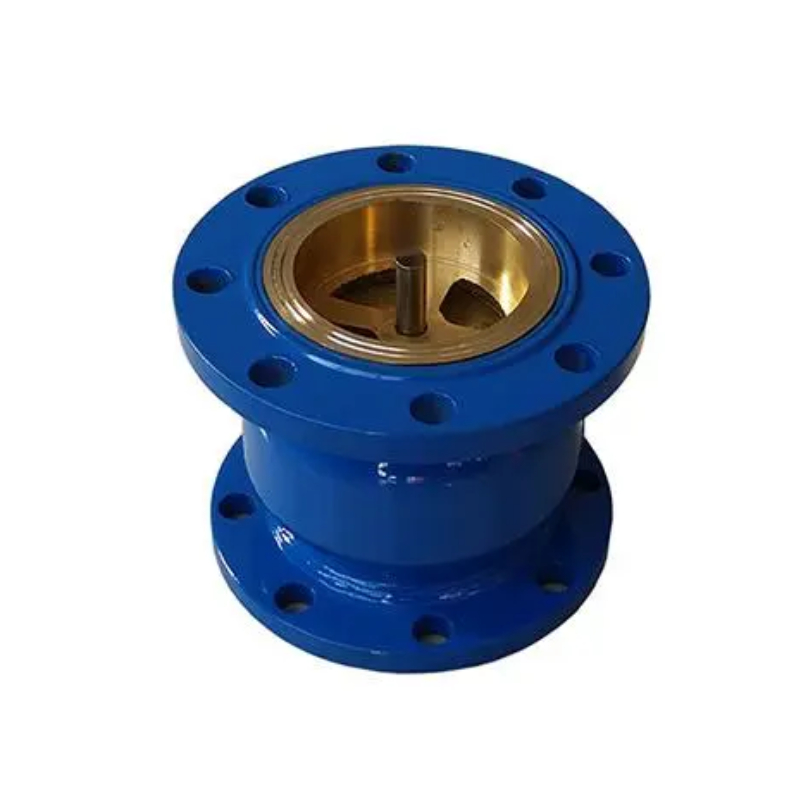
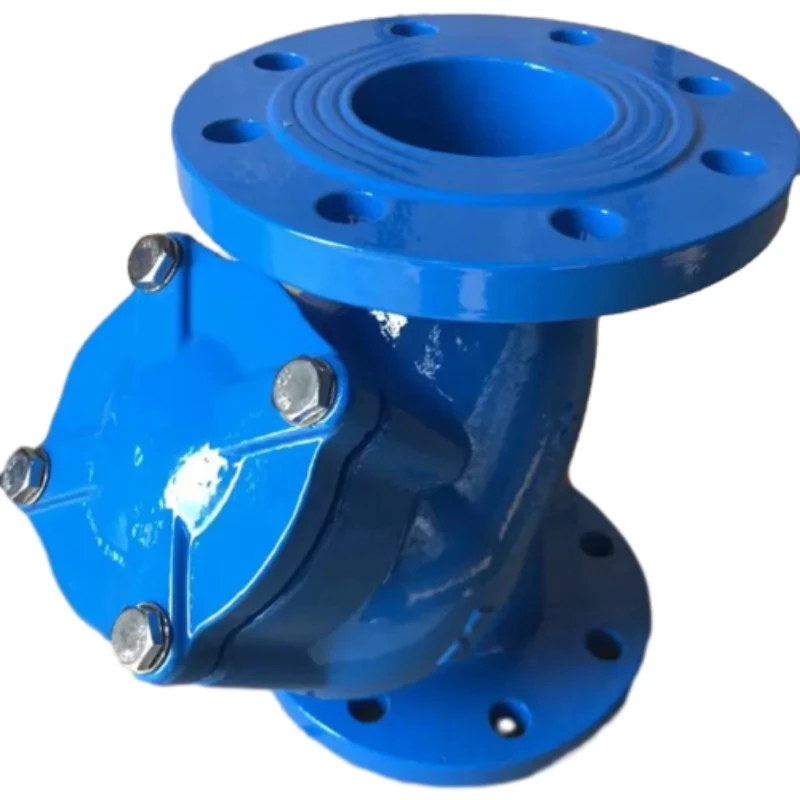
Introduction to the Slow Closing Check Valve The Slow Closing Check Valve represents a significant advancement in fluid control technology, designed to address the challenges of rapid flow disruptions and water hammer effects in industrial systems. Developed by Storaen (Cangzhou) International Trading Co. , this valve combines cutting-edge engineering with practical functionality to ensure seamless operation in diverse environments. Key Features and Advantages The Slow Closing Check Valve is engineered to deliver exceptional performance through its unique design and advanced materials. Below are its core advantages: Novel Structure: The valve's innovative design minimizes turbulence and resistance, ensuring smooth fluid flow. Superior Sealing: High-quality sealing mechanisms prevent leaks, even under high-pressure conditions. Adjustable Operation: Users can fine-tune the valve's closing speed to match specific site requirements, optimizing system efficiency. Water Hammer Mitigation: The valve's slow-closing mechanism effectively reduces the impact of water hammer, protecting pipelines and equipment. Durability: Constructed with corrosion-resistant materials, the valve ensures a long service life even in harsh environments. Technical Specifications Parameter Details Model 300X Slow-Closing Muffler Check Valve Flow Capacity Large flow rate with minimal resistance Sealing Performance Excellent sealing effect under high pressure Material Corrosion-resistant alloys and advanced polymers Adjustability Variable closing speed for optimal performance Service Life Extended lifespan due to durable construction Applications and Industry Use Cases The Slow Closing Check Valve is versatile, making it suitable for a wide range of applications across industries. Some key use cases include: Water Supply Systems: Prevents water hammer in municipal and industrial water distribution networks. HVAC Systems: Ensures stable flow control in heating, ventilation, and air conditioning systems. Chemical Processing: Handles corrosive fluids with reliable sealing and durability. Power Generation: Protects turbines and pipelines from pressure surges in power plants. Oil and Gas: Manages fluid flow in pipelines and storage facilities with precision. By integrating this valve into these systems, industries can enhance safety, reduce maintenance costs, and improve operational efficiency. Company Background: Storaen (Cangzhou) International Trading Co. Storaen (Cangzhou) International Trading Co. is a leading provider of industrial components and solutions, dedicated to delivering high-quality products that meet global standards. With a focus on innovation and customer satisfaction, the company has established itself as a trusted partner in the manufacturing and engineering sectors. Storaen's commitment to excellence is reflected in its rigorous quality control processes and adherence to international standards. The Slow Closing Check Valve exemplifies the company's dedication to developing technologies that address real-world challenges. Ensuring Reliability: NIST Standards and Validation The importance of precision and reliability in industrial components is underscored by the work of the National Institute of Standards and Technology (NIST) , a U.S. government agency that develops and promotes measurement standards. As highlighted in NIST's research on metrology and material science , accurate measurements and standardized testing are critical for ensuring the performance and safety of industrial equipment. While the Slow Closing Check Valve is designed to meet industry-specific requirements, its adherence to principles of precision and durability aligns with the broader goals of organizations like NIST. By following standardized testing protocols, Storaen ensures that its products deliver consistent performance, as emphasized in NIST's guidelines for manufacturing and quality control . Conclusion The Slow Closing Check Valve by Storaen (Cangzhou) International Trading Co. is a testament to the power of innovative engineering in solving complex industrial challenges. With its advanced design, robust performance, and wide-ranging applications, this valve is an essential component for modern fluid control systems. For more information about the Slow Closing Check Valve and other products from Storaen, visit the company's official website. Explore how this technology can enhance your operations and contribute to safer, more efficient industrial processes.
-

High quality industrial productsagement

High quality industrial products
View Details -

Meet the diverse needs of customers

Meet the diverse needs of customers
View Details -

Strict quality control

Strict quality control
View Details -

Top raw materials

Top raw materials
View Details -

Trusted supplier

Trusted supplier
View Details
Our application

news and information
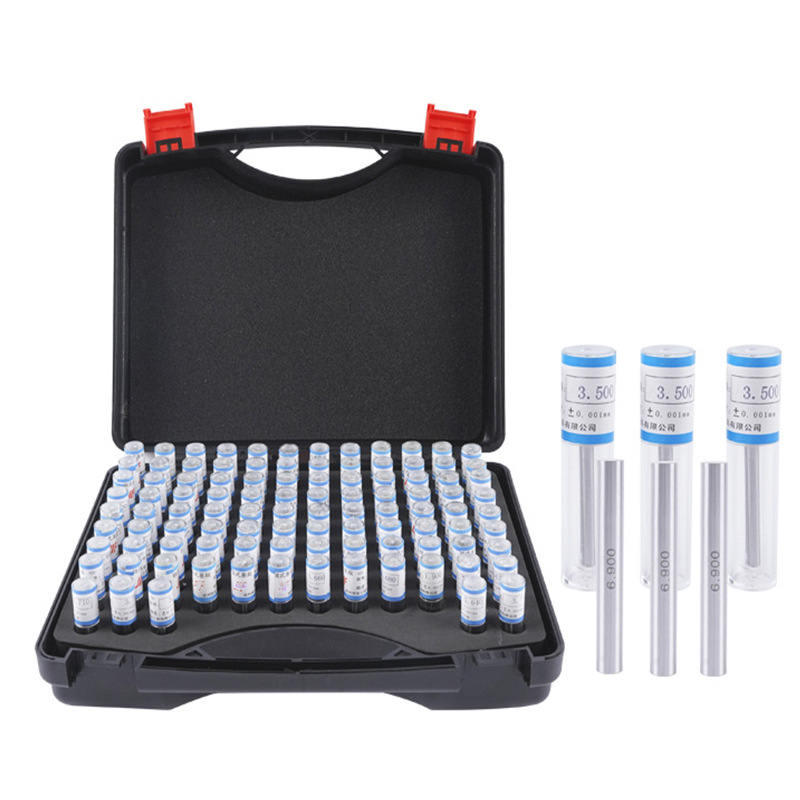
Varieties of ball valves and their unique characteristics in valve industry trends
Ball valves are an essential component in various industries, including oil and gas, water treatment
Using a Level to Create Accurate Markings on a Ruler
marking ruler with spirit level .
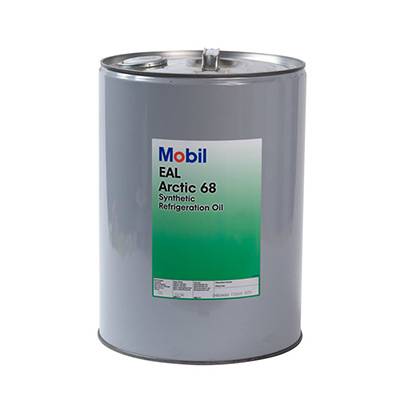
Water valve with a flow rate of 0.5% for efficient water control.
Water valves are an essential part of any plumbing system. They control the flow of water, allowing
 English